

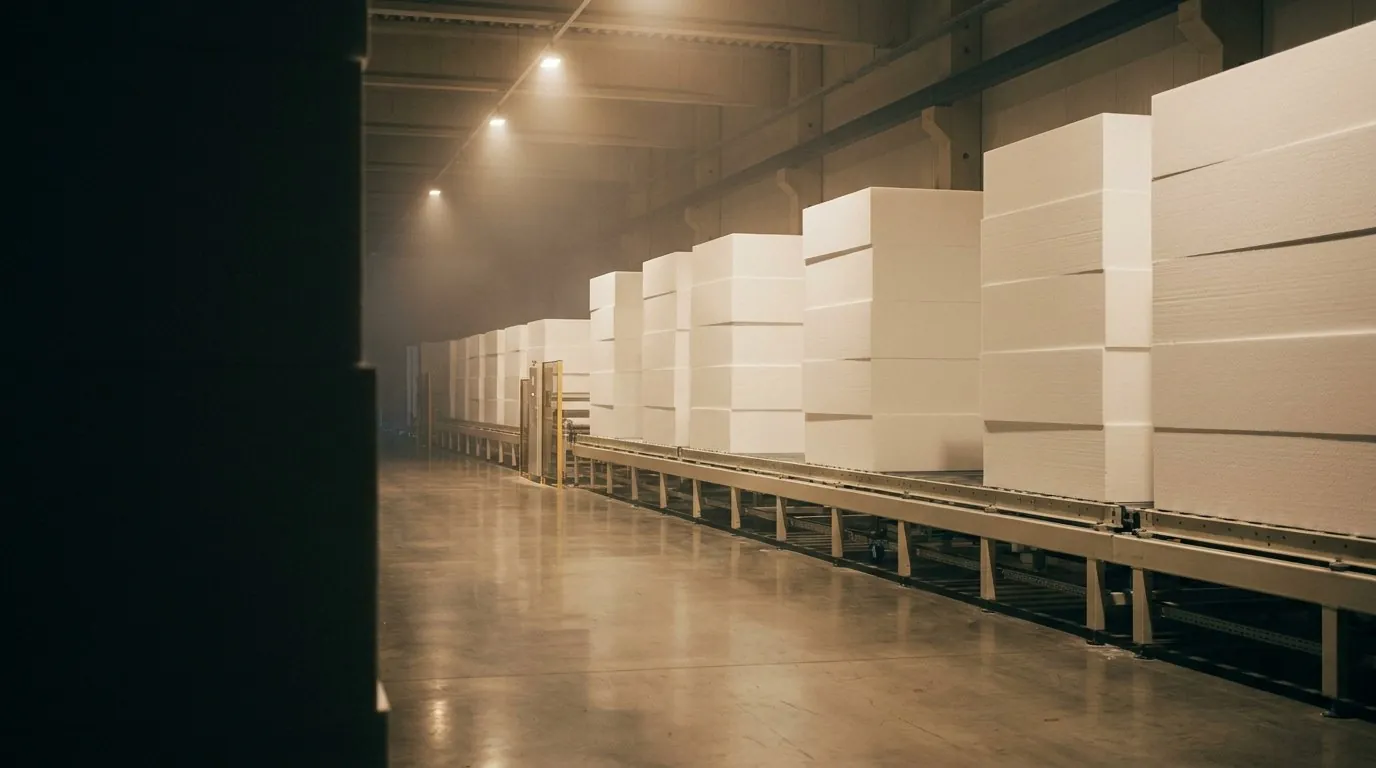
Search results for “foam facade disadvantages” are full of horror stories and full of marketing — rarely both sides in one place. Since CLADECO® sells coated-EPS cladding, you should expect us to know the weaknesses as well as the strengths. Here are both, plainly.
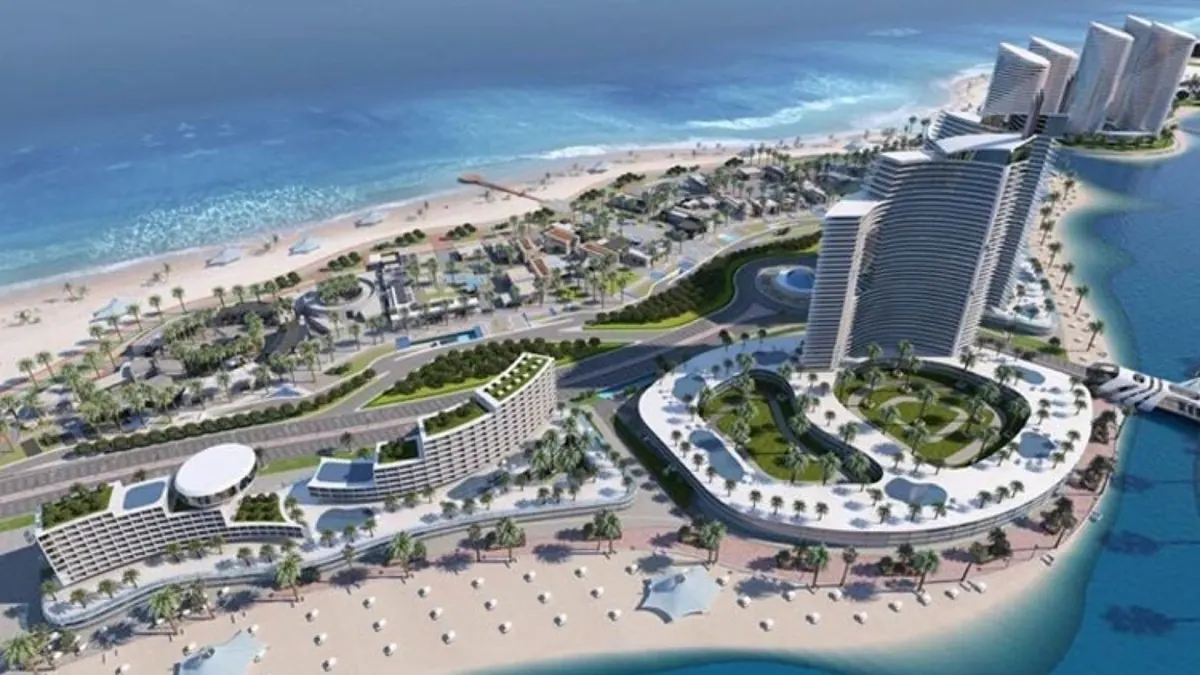
The advantages, measured
- Weight: 3–8 kg/m² installed against ~35–55 for GRC and ~80–95 for stone — no sub-frame, no crane, negligible structural load, retrofit-friendly.
- Cost: ~0.3–0.5× on installed cost, with natural stone at 1.0× — the saving comes from logistics and program more than from the material itself.
- Thermal: the core is an insulator (λ 0.032–0.040 W/m·K); a continuous facade upgrades the envelope while it decorates.
- Design freedom: CNC-cut from the drawing — no molds, no minimum order, 2–6 week lead time, one-off profiles at repeated-piece prices.
- Repairability: damage is patched on the wall with the same factory acrylic, not replaced by crane.
The disadvantages, honestly
- Fire class: the EPS core is combustible — the system is classified C-s2, d0 (EN 13501-1) and rated build-ups are specified where a brief demands them. GRC and stone are non-combustible (A1); where a code or client requires A1, that requirement decides the material, not marketing.
- Not structural: coated EPS is decorative cladding. It doesn't carry loads, and it isn't a balustrade, coping you walk on, or anything load-bearing.
- Impact zones: the shell takes 10 J without damage — fine for normal contact — but plinths in car parks or hard public use deserve stone or GRC at the base, with coated EPS above. Good specifiers mix materials by exposure.
- The market problem: most “foam facade” failures come from low-density board with thin, hand-applied render. They crack, chalk and stain within a year or two — and they make owners distrust the whole category. Factory coating, core density (15–35 kg/m³) and QC are what separate a system from a shortcut; ask every bidder for both numbers.
So when is it the right choice?
When the work is decorative facade cladding — cornices, surrounds, columns, string courses, full elevations — where weight, program and budget matter, and where any A1-mandated zones are handled in the appropriate material. That describes most villa and residential-compound work in Egypt, which is exactly where coated EPS has taken over. The full comparison table is on the specs page, completed work is in the projects gallery, and the lifespan question has its own article.